


 or
 lines to the right of the URL bar at the top of your browser

Winter Driving Safety: Preparing Minnesota City Employees for the Road Ahead
Guest post by Olivia Bontems, loss control consultant
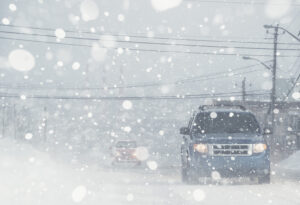 Minnesota winters bring snow, ice, freezing temperatures, and unpredictable road conditions. For city employees who drive as part of their jobs, these conditions create additional challenges that can increase the risk of vehicle crashes, injuries, and property damage.
Whether traveling to work, between city facilities, responding to a call, maintaining infrastructure, or operating snow-removal equipment, preparing for winter driving is an important part of workplace safety. A few proactive steps can help employees stay safe and reduce preventable vehicle incidents throughout the winter season.
Prepare before you hit the road
Winter driving safety begins before the vehicle leaves the parking lot. Cold temperatures and changing road conditions can affect vehicle performance, visibility, and traction. Before winter weather arrives, cities should ensure fleet vehicles receive appropriate seasonal maintenance. Employees should also be familiar with the vehicles they operate and know how to report maintenance concerns.
Consider the following precautions:
- Inspect tires. Check tire condition, tread, and inflation pressure. Proper tire maintenance helps maintain traction on snow- and ice-covered roads.
- Check visibility equipment. Inspect windshield wipers, washer fluid, defrosters, headlights, brake lights, and turn signals.
- Check the battery and fluids. Cold temperatures can affect battery performance. Ensure vehicles are maintained according to manufacturer recommendations.
- Clear snow and ice. Remove snow and ice from windows, mirrors, lights, and other areas that could obstruct visibility or create hazards for other motorists.
- Carry winter emergency supplies. Equip vehicles with a snow brush and ice scraper, flashlight, shovel, warm clothing, blankets, jumper cables or a jump starter, and appropriate traction aids.
For city fleets, routine inspections and a clear process for reporting vehicle defects can help identify problems before they contribute to an incident.
Adjust your driving to winter conditions
Driving habits that work well on dry pavement may not be appropriate when roads are slippery. Snow and ice reduce traction, making it harder to accelerate, turn, and stop safely. A defensive driving approach is essential during Minnesota winters. Road conditions can change quickly, and other drivers may not have the same training, experience, or awareness of hazards as you do.
Winter driving risks are not limited to new or inexperienced drivers. Routines can sometimes create a false sense of security, particularly for employees who drive the same routes or perform the same tasks every day. Regardless of driving experience, employees should remain alert, avoid becoming complacent, and never take shortcuts that compromise safety.
The following practices can help keep you and others safer on the road.
- Slow down. Drive at a speed appropriate for current road and visibility conditions, even when traveling below the posted speed limit is necessary.
- Increase following distance. Leave additional room between your vehicle and the vehicle ahead to allow more time to react and stop.
- Accelerate, brake, and turn gradually. Sudden movements can cause tires to lose traction. Make turns slowly and avoid abrupt braking or steering.
- Avoid cruise control. Do not use cruise control on slippery roads.
- Watch for black ice. Bridges, overpasses, shaded areas, and locations where temperatures fluctuate can be especially hazardous.
- Improve visibility. Turn on your headlights when conditions warrant and keep windows, mirrors, and lights clear of snow and ice.
- Eliminate distractions. Keep your attention on driving and avoid using a phone or other distracting devices.
Minnesota’s road conditions can change quickly. Check weather forecasts and current road conditions at 511mn.org before traveling, particularly when driving longer distances or during a winter storm.
Reduce backing and low-speed vehicle incidents
Winter conditions can make routine driving tasks more difficult. Snowbanks can obstruct sightlines, ice can affect braking, and snow-covered pavement markings can make it harder to identify parking spaces or obstacles. Backing incidents are an important risk to consider for city fleets, particularly when employees operate larger vehicles or work in crowded parking lots, garages, or maintenance facilities.
To reduce these risks:
- Park in a way that minimizes the need to back up whenever practical.
- Check the area around the vehicle before moving.
- Use a spotter when appropriate and when one is available under established procedures.
- Keep windows, mirrors, cameras, and sensors clear of snow, ice, and dirt.
- Back slowly and stop if visibility is obstructed or you are uncertain about the surrounding area.
Drivers should never rely solely on backup cameras or sensors. These systems can be affected by winter weather and may not detect every obstacle.
If you become stranded
Even a well-maintained vehicle can become stuck or disabled during a Minnesota winter. Employees who travel for work should know what to do if this happens.
If stranded, move to a safe location if possible, notify your supervisor, and contact emergency assistance when needed. In severe winter weather, remaining inside the vehicle is generally safer than attempting to walk to find help.
Keep the exhaust pipe clear of snow before running the engine to reduce the risk of carbon monoxide entering the vehicle. If you must run the engine for warmth, do so intermittently and ensure the vehicle is in a safe, well-ventilated location.
A winter emergency kit and a communication plan can make an unexpected delay safer and less stressful.
For more information, please reach out to your LMCIT loss control consultant.
Additional resource: Visit MnDOT’s Winter Driving Tips for additional guidance on driving safely in Minnesota winter conditions.