


 or
or  lines to the right of the URL bar at the top of your browser
Trench Safety: What To Know Before Breaking Ground
Guest post by Garrett Johnson, loss control consultant
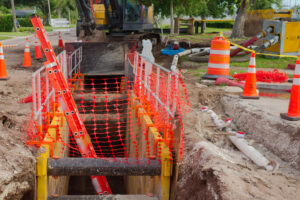 Summer is one of the busiest seasons for trenching and excavation projects across Minnesota, making it a good time to revisit the serious risks involved with trenching.
Minnesota Occupational Safety and Health Administration (OSHA) lists trenching as a high-hazard activity — and for good reason. Trench collapses can occur in seconds, burying workers little or no time to escape. A single cubic yard of soil can weigh as much as a compact car; even a small cave-in can have devastating consequences.
Crews should consider these essential safety considerations before starting their next trenching project:
Plan for traffic
Mark work zones clearly with cones, signage, or barricades to alert workers and the public. When vehicles or heavy equipment are operating near an excavation, use spotters to help guide traffic and maintain a safe work area.
Monitor weather conditions
Rain and freeze cycles can make soil heavier and weaken trench walls. Inspect the trench after any rainfall or significant weather change before allowing workers to re-enter.
Keep water out of the trench
OSHA prohibits employees from working in excavations where water has accumulated unless specific precautions are taken. Standing water adds weight and pressure against the trench walls and can create instability. Address water issues before anyone enters the trench, and never work around standing water.
Use the correct protective system
Protective systems are required based on trench depth:
- 5 feet or deeper: A protective system is required such as sloping, benching, shoring, or shielding
- More than 20 feet deep: The protective system must be designed by a registered, professional engineer.
Locate underground utilities before you dig
Always call Gopher State One Call (811) before beginning any excavation.
Striking underground gas, electric, or water lines is one of the leading causes of trenching incidents. Knowing what’s below the surface helps protect workers and critical infrastructure.
Ensure workers have a safe exit
Trenches 4 feet deep or deeper must have a ladder, ramp, or stairway within 25 feet of lateral travel for every worker. If conditions turn, workers need a quick and reliable way out of the trench.
Make daily inspections a priority
A competent person should inspect every trench before entry and after condition changes, such as rainfall, vibrations, or shifts in soil conditions.
No matter the size of the project, trench safety requires constant attention. Taking the time to inspect conditions, use the proper protective systems, and follow safe work practices can help prevent serious injuries and save lives.
If you have questions about trench safety or would like additional guidance, contact your local loss control consultant.