

 or
or  lines to the right of the URL bar at the top of your browser
The 2026 Constitutional Amendment: What Cities Need to Know
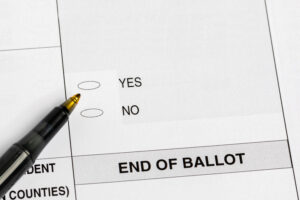 This fall, Minnesota voters will see a constitutional amendment question on their ballots related to the state’s permanent school fund. While the proposed amendment does not directly affect city government operations, city officials may receive questions from residents or want to weigh in themselves.
Here’s what city officials should know about the amendment and rules around communicating about ballot questions.
What is the constitutional amendment question that will appear on the 2026 fall election ballot?
The Minnesota Legislature recently passed legislation to include a Minnesota constitutional amendment question on the fall election ballot. The question will read:
“Shall the Minnesota Constitution be amended to increase the funding going to all school districts from the permanent school fund, which is a fund that supports school districts without raising individual income or property taxes, effective July 1, 2027?”
The amendment affects Article 11, section 8 of the Minnesota Constitution, which governs the state’s permanent school fund. The fund generates most of its revenue from land management activities on land granted to the state by the federal government. It had an estimated value of $2.3 billion in 2025.
Currently, the constitution provides that Minnesota school districts receive 2.5% of the permanent school fund’s net asset value each year. The amendment would increase the distribution amount to 4.5% of the three-year average value of the fund, increasing funding to school districts and charter schools on a per-pupil basis. However, the amendment may mean that annual withdrawals dip into the fund’s capital gains instead of relying solely on the fund’s interest and dividends.
A majority of election voters must vote “yes” on the question for the proposed amendment to take effect. If a voter leaves the ballot question blank, this counts as a “no” vote.
How does the proposed constitutional amendment affect cities and city officials?
Since the proposed increased funding would come from the permanent school fund, this amendment is not the same as a school tax levy; its passage would not raise taxes for Minnesota residents. The amendment also does not directly affect city government operations.
Nevertheless, city officials may have personal opinions on the amendment, and city residents may seek guidance from city leaders on the question. City officials must abide by certain restrictions when it comes to advocating for any one side on any ballot question, regardless of whether it affects resident taxes.
What city officials cannot do
According to the Minnesota Attorney General, city officials cannot use any method that involves expenditure of public funds to advocate for one side of a ballot question. This rule means that if a city uses public money to create or maintain social media or email accounts, a city council member may not use those accounts to advocate for one position or another on any ballot issue.
Since any expenditure of public funds — no matter how small — triggers this rule, city officials should refrain from using official city accounts to advocate for a position on the amendment.
What city officials can do
City officials can use a reasonable amount of city resources to provide factual information about the amendment and the voting process. This may include background information on the permanent school fund, data on school district financial needs, and instructions on how to register to vote.
City officials can also advocate for one side of the ballot question using methods that do not use public funds, such as posting on a personal social media account or appearing before a citizens’ group in an unofficial capacity.
That said, city officials should be mindful of how their advocacy reflects their role as community leaders and strive to embody the core competencies of city officials. They should also consider potential consequences of public disagreement with other officials. While city officials are free to publicly disagree with each other, the tenor of these disagreements can influence how the public views a city government’s effectiveness and unity.
The constitutional amendment may not directly affect city operations, but understanding the proposal and the boundaries around public and personal advocacy can help city officials respond appropriately when questions arise in their communities.
Explore these resources for more information on the amendment, city official roles, and constitutional amendments generally:
- Communicating About Difficult or Controversial Issues – League of Minnesota Cities
- Core Competencies for Elected City Officials – League of Minnesota Cities
- Constitutional Amendments – Minnesota Legislative Reference Library
- Minnesota Attorney General opinion on the use of public funds to advocate on ballot questions (PDF)