


 or
 lines to the right of the URL bar at the top of your browser

City Spotlight
Marshall’s New Aquatic Center Makes a Splash
PRESTON STENSRUD,
PARK AND RECREATION SUPERINTENDENT
MARSHALL (POPULATION 13,906)
“Don’t let perfect be the enemy of good” reminds us that progress can outweigh perfection. Marshall’s new aquatic park, The Splash, is a great example of how cities can navigate challenges, make thoughtful decisions, and keep projects moving forward.
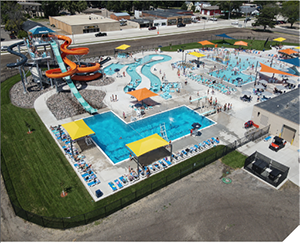
In 2018, a city study found that Marshall’s aging aquatic center was deteriorating and that many areas of the structure did not meet Americans with Disabilities Act compliance standards. City staff also documented that the general-use pool and diving pool were losing 12,000 to 15,000 gallons of water per day because of leaks, which is extreme.
In November 2023, 66% of Marshall voters approved a referendum authorizing a 0.5% sales and use tax and up to $18.37 million in general obligation bonds to help fund construction of a new municipal aquatic center.
When bids for the project came in approximately $6 million over budget in August 2024, the City Council rejected the bids and directed staff to explore construction management services and pursue a complete redesign.
The redesign reduced the lap pool from eight lanes to four, combined the mechanical building with the concessions and ticketing building, and compressed the site to reduce the amount of pool piping needed.
Despite those changes, The Splash is about 50% larger than the former aquatic center and was designed to serve swimmers of all ages and abilities. Amenities include a zerodepth entry pool and play area, leisure river, splash pad, rock-climbing wall, diving boards, and a three-slide complex featuring Minnesota’s first FlyTyme slide, which launches riders into the air before they splash down into the deep-water pool.
The Splash opened in early August 2026, and in its first 20 days, nearly 12,000 patrons visited.
The aquatic park changed from the first plans to the final blueprints. Most importantly, it is no longer simply a plan, concept, or construction project. It is a place where families gather, children learn to swim, people exercise, memories are made, and our community comes together.
Cleaning Up Hibbing — Together
KELLY GRINSTEINNER,
SENIOR EXECUTIVE ASSISTANT
HIBBING (POPULATION 16,214)
Hibbing’s Community Clean-Up Days began four years ago as a practical way to help residents dispose of unwanted materials. Since then, the program has evolved into something bigger: a community pride initiative supporting our broader efforts to address blight, improve neighborhoods, and encourage residents to take an active role in caring for their community.
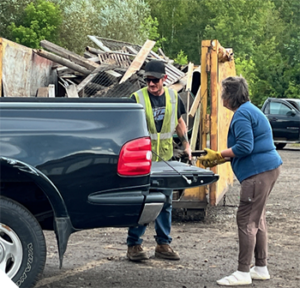
Participation has grown dramatically. At our June 2026 event, residents disposed of 179.08 tons — 358,160 pounds — of material, more than double the previous year. That strong response prompted Hibbing to add its first fall cleanup event in September.
Success, however, isn’t measured in tonnage alone. We’ve worked to make the program about neighbors helping neighbors — encouraging people to assist seniors, those without trucks or trailers, and others who need a hand cleaning up their properties. We’ve also expanded our public education about year-round disposal options, so residents understand they don’t have to wait for a cleanup event to properly dispose of unwanted items.
Addressing blight is a priority identified by our City Council and leadership through Hibbing’s Strategic Plan. Clean-Up Days gives residents a tangible way to be part of that work.
Our inaugural fall event brought steady participation throughout both days. A new drop-off location at the Hibbing Recycling Center allowed us to spread out disposal areas and redesign traffic flow, letting residents unload on their way out rather than when entering the site. Even during busy periods, vehicles did not become backed up.
The site also allowed residents to easily drop off leaves, grass, brush, trees, cardboard, and paper. Staff heard repeated thanks from residents for offering a second cleanup opportunity, and most participants willingly helped unload their materials.
For Hibbing, these events are about more than numbers. Lasting neighborhood improvement requires active community participation.
Our biggest lesson for other cities? Make cleanup accessible, explain why it matters, and design the event so residents become participants rather than just customers.
When people see cleanup as an investment in their neighborhood, community pride is the natural result.