

 or
or  lines to the right of the URL bar at the top of your browser
Bits & Briefs
‘Lights On!’ Program Offers Repair Vouchers
A growing number of Minnesota cities are using the “Lights On!” program to turn routine traffic stops into positive interactions. The program, now active in more than 125 police departments across the state, allows officers to issue vouchers for free vehicle repairs instead of citations for minor equipment violations.
The program partners with local auto repair shops to complete the work at no cost to drivers. It is designed to improve roadway safety while also helping residents who may struggle to afford repairs.
Launched in 2020, “Lights On!” has expanded nationwide, with more than 13,900 vouchers redeemed. Organizers say the program offers an alternative to traditional enforcement, while helping build trust between law enforcement and the communities they serve. Learn more at lightsonus.org.
Moorhead Tests Hydrogen System for Backup Power
The City of Moorhead is exploring hydrogen energy as a clean backup power source for critical city operations.
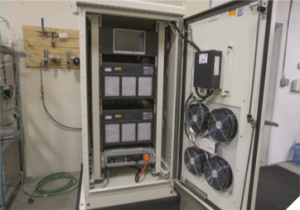
According to the Forum of Fargo-Moorhead, the city is partnering with West Fargo-based BWR Innovations to design and install a hydrogen microgrid system at City Hall. The system will provide backup power to the city’s IT server room during outages, helping maintain essential services.
The project is fully funded through a nearly $170,000 grant from the Minnesota Department of Commerce. City officials say the system supports broader goals around sustainability and infrastructure resilience. Unlike traditional generators, the hydrogen fuel cell produces electricity with minimal emissions.
The project also gives the company a chance to test the technology in extremely cold conditions, with potential for broader use in other communities.
2026 LMC Annual Conference Opening Keynote Speaker
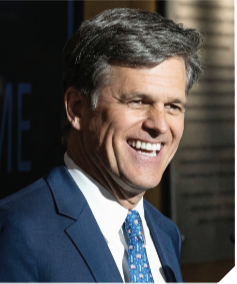 Special Olympics chair and nonprofit leader Tim Shriver will kick off the 2026 LMC Annual Conference in Rochester this June. As CEO and founder of UNITE, Shriver co-created the Dignity Index, a tool that scores political speech along a continuum ranging from dignity to contempt and helps political leaders and citizens rethink the language they use to describe people with opposing views.
Shriver’s keynote will discuss UNITE’s work and ways to bridge divisions and see each other’s humanity. He will share an overview of the Dignity Index and practical daily applications that can help public officials use dignity to solve problems, build trust, and effectively communicate.
Inclusive Fire Brigade Highlights Bemidji’s Approach To Recruitment
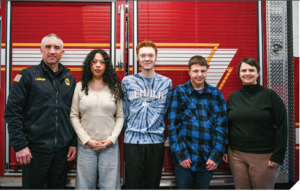
The City of Bemidji is taking a new approach to building interest in fire service careers through its Inclusive Fire Brigade program. According to the Bemidji Pioneer, the initiative was launched by the Bemidji Fire Department in partnership with nonprofit Lead for Inclusion to connect youth and young adults with the profession.
The program offers monthly training sessions that began in March at Bemidji Fire Station 2. Participants learn about fire service work through station tours, teamwork and communication exercises, and basic emergency response skills such as first aid and CPR.
The program is open to individuals with and without disabilities, reflecting an effort to broaden access and introduce a more diverse group of participants to volunteer or career pathways in public safety.
Winnebago Hearts Project Aims To Boost Community Pride
A new public art effort in Winnebago is highlighting local pride and volunteerism.
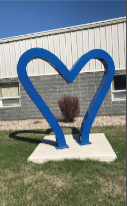
According to the Faribault County Register, the Winnebago Hearts Project is a donation-funded initiative that grew out of the Love Winnebago volunteer program. The project will install heart-shaped sculptures throughout the city, created by local artists, to celebrate community identity and encourage participation from residents.
The first piece, an 8-foot-tall by 10-foot-wide blue heart created by local artists Johnathon Hynes and Matt Johnson, has been placed outside the municipal center.
The project will include 11 hearts at locations such as the swimming pool, library, museum, and city welcome signs. The initiative aims to attract visitors and support local economic activity.
Global Cyber Risks Can Reach Local Systems
Cyber activity between countries doesn’t just affect national governments. It can also impact local systems that cities rely on every day. Infrastructure such as water treatment facilities, utilities, and emergency dispatch can become targets or be caught in the ripple effects of international cyber operations, according to Christian Torkelson, cybersecurity loss control consultant with the League of Minnesota Cities Insurance Trust (LMCIT).
There are a few practical ways cities can reduce risk. Keeping software and systems up to date is key, especially for anything connected to the internet. Limiting remote access and requiring multifactor authentication can also help. For utilities and other critical services, separating operational systems from general networks adds another layer of protection.
Cities are also encouraged to plan for how services would continue if systems go down. That includes training staff to operate manually when needed.
LMCIT offers training, risk assessments, and technical support to help cities strengthen their cybersecurity and prepare for disruptions. Learn more at lmc.org/cybersecurity.