


 or
or  lines to the right of the URL bar at the top of your browser
Supervisors’ Role in PPE and Workplace Safety
Guest post from Marc Dunker, LMCIT senior loss control consultant
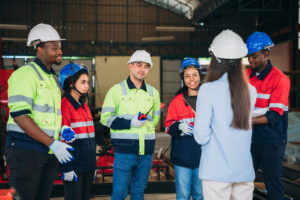 In any workplace where hazards exist, whether in public works, EMS, parks, or other departments, Personal Protective Equipment (PPE) serves as your last line of defense against injuries and illnesses. For those who read Olivia Bontems’ blog posted on August 21, 2025, you may recall her discussion on the Hierarchy of Controls. If you haven’t had a chance to review it yet, I highly recommend giving it a read.
In that article, we learned how the Hierarchy of Controls is designed to reduce exposure to hazards. The hierarchy, listed from most effective to least effective, includes:
- Elimination – Physically remove the hazard
- Substitution – Replace the hazard with something safer
- Engineering Controls – Isolate people from the hazard
- Administrative Controls – Change how people work
- Personal Protective Equipment (PPE) – Protect the worker with proper gear
Notice that PPE is listed as number five – the least effective means of reducing exposure. That’s why I often say PPE is your last line of defense against injury.
From hard hats and safety glasses to gloves and respirators, PPE helps minimize exposure to physical, chemical, and biological risks when other means have been exhausted and risk remains. However, simply having PPE available isn’t enough. Proper, consistent use is essential and is where supervisors play a vital role.
Why PPE Matters
Every day, workers face potential dangers on the job. PPE, as mentioned, is often the last barrier between a worker and a serious injury. Whether it’s preventing hearing loss from loud machinery or protecting skin from harmful substances, PPE saves lives and reduces long-term health risks.
The Supervisor’s Responsibility
Supervisors are not just managers—they are safety leaders. Their responsibilities include:
- Enforcing PPE use: Supervisors must ensure that all workers wear the correct PPE for the task at hand. This includes conducting regular checks and addressing non-compliance promptly.
- Teaching and education: Workers must be taught not just on what PPE to wear, but how to wear it properly. Supervisors should ensure ongoing education is provided and understood.
- Monitoring and feedback: Supervisors should observe how PPE is used in practice and provide immediate feedback or corrections when necessary. They should also encourage workers to report damaged or missing PPE.
- Maintaining equipment availability: It’s the supervisor’s job to ensure PPE is always available, in good condition, and fits properly for each worker.
Leading by Example
One of the most effective ways a supervisor can promote PPE use is by leading by example. When workers see supervisors taking safety seriously, wearing their own PPE and prioritizing hazard control, it sets a strong precedent for the whole group.
While PPE is essential, its effectiveness depends heavily on proper use. Supervisors are the key link between safety policy and real-world application. By being proactive, consistent, and supportive, they help ensure every worker goes home safe at the end of the day.