


 or
or  lines to the right of the URL bar at the top of your browser
Freezing Pipes: Preventing Costly Winter Damage
Guest post by Garrett Johnson, LMCIT loss control consultant
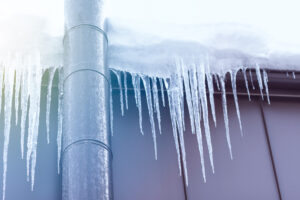 Each winter, cities face costly and disruptive water damage caused by frozen and burst pipes. While extreme cold is often blamed, temperature alone is rarely the root cause.
In many municipal loss cases, the common factor is a city-owned building that is vacant, underused, or temporarily closed and not fully prepared for winter conditions. When heat is reduced, water systems remain active, and routine oversight slows or stops, freezing conditions can develop quickly. These issues often go unnoticed until significant damage has already occurred.
Frozen pipes most often occur in areas where heat is inconsistent or reduced, including exterior walls, basements, mechanical rooms, and rarely-used restrooms. In vacant or low-use buildings, these conditions can exist even when thermostats are set above freezing. Once a pipe freezes, pressure builds inside the pipe. Damage occurs when temperatures rise and the pipe thaws, releasing water into an unoccupied building.
The good news is that freezing pipe losses in municipal buildings are highly preventable.
Make a Clear Decision: Maintain or Winterize
Before winter begins, cities should make an intentional decision for each vacant or low-use building.
If a city decides to maintain the property:
- Maintain consistent heat throughout the building
- Ensure heat reaches all plumbing and mechanical spaces
If a city decides to winterize the property:
- Shut off the domestic water supply
- Fully drain plumbing systems, including low points
- Address fire sprinkler system requirements with a qualified contractor
Assign Clear Responsibility
Every vacant or low-use building should have:
- A designated staff member responsible for winter oversight
- Clear expectations for inspections and monitoring
- After-hours contacts for alarms or emergency response
Freezing pipe losses in city-owned buildings are rarely unavoidable. In most cases, they stem from missed preparation, unclear responsibility, or assumptions about temporary vacancy.
By identifying vacant buildings early, making clear winterization decisions, and assigning oversight, cities can significantly reduce winter losses and avoid unnecessary service disruptions. For further guidance or assistance, please contact your loss control consultant.