


 or
or  lines to the right of the URL bar at the top of your browser
More Than Wins and Losses
By Luke Fischer

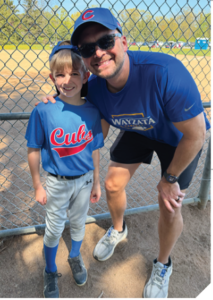
This summer, I’m coaching my son’s second-grade recreation league baseball team. Before I tell you anything else, you should know the boys are 8 years old, playing in their first or second season, and all attend the same school. It’s like backyard baseball with jerseys, a pitching machine older than me, and an organized snack schedule. The boys are full of energy, eager to learn, and absolutely convinced they’ll play in the big leagues someday.
We begin every practice and game with the same question: What does it take to be a good teammate? The answers usually sound something like: “Cheer for my teammates,” “Communicate in the field,” and, inevitably, “Hit home runs!”
We end practices and games with a quick self-assessment, talking about the things the boys saw others do to lift each other up. The responses range from thoughtful to silly.
Before every game, I ask the opposing coach a similar question: What can we do to make today a great experience for the boys? Most coaches are quick to share a skill or two they’ve been working on or mention a player they’re trying to encourage to swing harder at the plate.
There’s an unwritten rule that we support every player. After all, we all live in the same community. Our kids attend the same choir concerts, play on the same playgrounds, and go to the same churches.
When the focus changes
A few weeks ago, though, things went differently.
We went through our usual pregame routines, and everything seemed set up for a good day. But by the third batter, it was clear the day was about to take a turn. From the sidelines, the opposing coach started yelling obscure equipment rules at 8-year-olds standing at the plate. Between innings, he and I met at the pitching mound and agreed that disagreements should stay between coaches — not be directed at the kids.
Even though we trailed by nearly a dozen runs, our team kept battling, finding some footing, and scoring a few runs of our own. Oddly enough, that momentum only seemed to make things worse. Seeing his lead diminish, the opposing coach grew louder, critiquing everything our boys did in the field, and returning to the equipment complaints. The assistant coach made baseless accusations of cheating, and soon players on the other team were echoing those accusations from the field.
Our boys were upset, not because they were losing, but because they couldn’t understand why an adult would treat them that way when they were simply trying to have fun.
By that point, the opening question about making it a great experience for the boys felt long forgotten. It was disappointing to say the least. Somewhere along the line, the coach lost sight of the real reason any of us volunteer to coach in the first place: the kids. And I have to admit, it’s going to make the next school concert a little awkward when we’re sitting next to each other listening to squeaking saxophones and overzealous percussionists
The parallel to public service
So, why am I telling you this story? Because we all live, work, and serve as part of communities. I don’t think it’s much of a stretch to see the parallels between this experience and the challenges we encounter in public service.
Even when we begin with the best intentions and a shared purpose, it takes constant effort to stay focused on the real reason we step up to serve the places we call home.
When we become overly focused on wins and losses — or start believing the winner must take all — we become transactional. Maybe even a little cynical. There are certainly times when all of us care more about being right than getting it right. To me, that’s the opposite of meaningful public service.
As we head into campaign season, I’d encourage everyone to consider a question similar to the one I asked the opposing coach: What do we need to do to bring our best to the community? Hopefully, your answer includes celebrating successes, communicating openly and fairly with the public, and maybe even hitting a few home runs for the people you serve.
Luke Fischer is executive director of the League of Minnesota Cities. Contact: [email protected] or (651) 281-1279.