


 or
or  lines to the right of the URL bar at the top of your browser
Bits & Briefs
Starting Out Right as a Newly Elected City Council Member
Congratulations to everyone starting 2026 as a new city council member. Winning your election is a big accomplishment, and now you get to roll up your sleeves and get to work. As your term begins, there will be moments when you wonder what you got yourself into. Governing a city is challenging. Keeping streets plowed, water clean, parks maintained, and the budget balanced takes commitment and comes with a lot to learn.
As you get started, here are a few useful tips to keep in mind:
- Spend more time listening than talking.
- Learn what each department does and how it supports city operations.
- Treat city council service as a team effort and build strong relationships with fellow council members.
- Remember that not all cities are the same. Learn which type of city you serve, because that determines the legal authority of the council.
- Stay in your lane. The council sets policy and direction. Staff carry it out and run day-to-day operations.
- Ask questions and avoid assumptions. A good place to start is asking, “What don’t I know about this issue?”
- Pace yourself. Make a list of current priorities and those you want to tackle down the road.
- Invest in learning and networking opportunities, such as the League’s Elected Leaders Institute, where you can connect with other elected officials. Learn more about the Elected Leaders Institute at lmc.org/eli.
Austin and Albert Lea Mayors’ BBQ Cook-Off
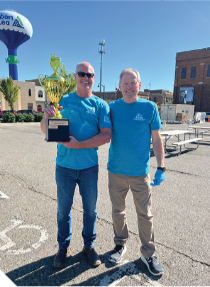
The mayors of Austin and Albert Lea once again went head-to-head in the STARS Mentoring Program’s annual barbecue cookoff. The friendly competition drew a crowd on Oct. 10, 2025, giving residents a chance to sample food from both mayors and vote for their favorite, according to KAALTV.
This year’s contest was close, with Austin Mayor Steve King edging out Albert Lea Mayor Rich Murray by a single vote. The event uses a freewill donation model, and all proceeds support STARS Mentoring, a nonprofit that pairs local youth with mentors who provide guidance and support.
Community partners, including Hormel Foods, helped make the fundraiser possible. The event also served as an opportunity to highlight mentorship needs and encourage more residents to get involved.
NLC’s Congressional City Conference
The National League of Cities Congressional City Conference is set for March 16-18 in Washington, D.C. City officials who attend this annual event can connect with the Minnesota congressional delegation, learn about new federal programs, meet other city officials from across the country, and polish their advocacy skills. Learn more at ccc.nlc.org.
Olivia Purchases Historic Armory for $1
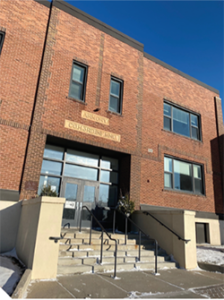 The City of Olivia has turned a $1 purchase into a major community asset. In summer 2025, the Minnesota Army National Guard transferred ownership of the 20,000-square-foot armory along Highway 212 to the city. The building, constructed in 1914, had been well maintained and offered the city a solid structure to repurpose as a community center.
The city opened the building for public use and hosted a July open house to gather ideas for future activities, according to the West Central Tribune. The facility includes a large gym, basement kitchen and dining space, ping-pong tables, and room for community events. Residents have suggested everything from roller-skating to tournaments and classes. Several groups have expressed interest in leasing space, and the building has already hosted unexpected events, including a traveling circus.
A new addition to the community center is a children’s STEM sensory center named Cornland, USA, located in three basement rooms. The space was made possible through private fundraising and expands programming opportunities for children and families.
The armory has long served as a gathering place, though public access declined after post-9/11 security changes. City leaders see its renewed availability as a return to its original community center role.
As part of the same agreement, the city also purchased the Guard’s motor vehicle storage building for $1. The building now houses a portion of the city’s water and wastewater department, providing affordable space that helps avoid significant construction costs.
As planning continues, the city is assessing staffing needs and potential upgrades, including replacing the building’s remote-operated ventilation controls and addressing the lack of air conditioning in the gym.
Drinking Water Action Plan
Minnesota has launched its first 10-year Drinking Water Action Plan, marking a statewide effort to protect and strengthen drinking water systems.
The Minnesota Department of Health introduced the plan at the New Brighton Water Treatment Plant, outlining five focus areas: protecting water sources, improving infrastructure, ensuring safe tap water, preparing for emerging risks, and building strong partnerships.
Every public water supplier in the state already has, or soon will have, a source water protection plan. These plans help communities identify risks to their water supply and outline steps to reduce them, whether their water comes from surface sources or groundwater.
The launch comes as the Minnesota Pollution Control Agency continues to work on a separate statewide study examining the presence of microplastics in surface water, drinking water, and groundwater. That report, expected later in 2026, will offer the state’s first comprehensive look at how widespread microplastics are in Minnesota’s water systems.