


 or
or  lines to the right of the URL bar at the top of your browser
Electric Vehicle Safety Considerations for Your Fleet
Guest post by Garrett Johnson, loss control consultant
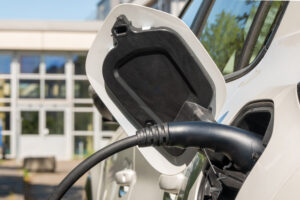
As of February 2026, the State of Minnesota reported 82,062 registered electric vehicles (EVs). With the rise of EV production and adoption, many organizations are considering whether electric vehicles are a good fit for their municipal fleets.
While EVs offer numerous benefits, it is important to address key safety considerations that differ from those of conventional vehicles. Before adding EVs to your fleet, it’s important to plan for battery safety, charging and storage, emergency response, cold-weather operation, and cybersecurity.
Battery safety
Most electric vehicles use lithium-ion batteries, which can pose fire risks if damaged, overcharged, or improperly handled. When a battery cell short-circuits, it can heat up and release flammable gas that can ignite and heat neighboring cells and create a chain reaction known as thermal runaway.
These fires are especially challenging because the battery pack is difficult to access, fires may burn longer than conventional vehicle fires, and reignition can occur hours or even days after a fire appears to be extinguished.
Battery state of charge can also affect fire behavior and the severity of a thermal runaway event. Batteries charged above 60% pose a significantly greater hazard than those charged below 30%. Follow the vehicle manufacturer’s recommendations for charging and storage.
To help mitigate battery-related risks:
- Provide training for staff and emergency responders on proper EV safety and fire response
- Ensure fleet maintenance teams understand battery care, charging safety, and how to assess potential battery damage
- Establish procedures for inspecting EVs after a collision or other event that could damage the battery
- Where practical, avoid storing or parking EV’s at a full state of charge
- Follow the vehicle manufacturer’s recommendations for charging and storage
Charging station placement
Exterior charging stations are recommended over interior installations. Locate charging equipment at least 10 feet from buildings, structures, and critical equipment and at least 50 feet from combustible storage, fuel tanks, utilities, and transformers. Use independently certified charging equipment installed by qualified professionals, and keep combustible materials away from charging locations.
Safe storage and cold weather considerations
EVs should be parked in well-ventilated areas away from flammable materials and spaced apart to reduce the risk of fire spreading.
Parking garages that house EVs should be protected by a sprinkler system appropriate for the building occupancy and applicable fire and building codes. Sprinkler systems are an important component of fire protection, but they are designed primarily to control a fire and protect the structure and surrounding exposures rather than extinguish an EV battery fire itself.
Minnesota’s cold climate creates additional challenges. Low temperatures can reduce battery efficiency and vehicle range while increasing charging times. Fleet managers should follow manufacturer recommendations for cold weather operation and charging, consider appropriate storage options, and provide winter driving training for EV users.
Fire response planning
Because EV fires burn longer, are difficult to extinguish, and can reignite, a written response plan is essential.
Fleet managers should establish policies and procedures for:
- Responding to an EV fire or suspected battery damage
- Moving or isolating damaged vehicles when appropriate and safe
- Storing EVs away from buildings and other exposures
- Contacting the local fire department and following their direction during an emergency
- Preplanning and practicing response procedures with local fire departments
Cybersecurity risks
Today’s EVs come equipped with internet-connected systems, which introduce potential cybersecurity risks. Features such as keyless entry, remote start, Bluetooth, and mobile apps can be vulnerable to hacking.
Fleet managers can help reduce these risks by:
- Regularly updating vehicle software and mobile applications to address known security vulnerabilities
- Training fleet users on safe connectivity practices
- Using multi-factor authentication for connected mobile apps and fleet management systems
- Limiting access to vehicle and fleet-management systems to authorized users
- Following manufacturer recommendations for cybersecurity and software updates
Plan ahead for a safe EV transition
As you consider adding electric vehicles to your fleet, it’s essential to identify potential risks, implement proactive policies, and provide specialized training to enhance safety.
For further assistance, please contact your loss control consultant.
Resources:
Minnesota Public Utilities Commission Economic Analysis of Electric Vehicles