


 or
or  lines to the right of the URL bar at the top of your browser
CITIES AND ENERGY PROVIDERS: Partnering To Reduce Wildfire Risk
By Michelle Swanson and Anna Thill
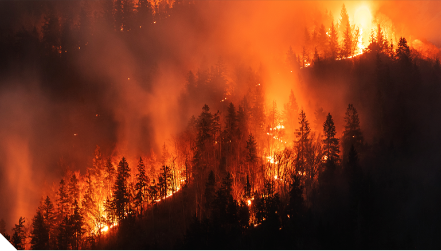 Wildfire risk is not always top of mind in Minnesota, but recent seasons have made it harder to ignore. Dry conditions, high winds, and more frequent extreme weather are increasing the likelihood of grass and brush fires, even in areas that have not historically faced significant wildfire concerns.
As this risk evolves, city leaders are becoming more directly involved. Residents often look to local officials first for information, making coordination among cities, energy providers, emergency responders, and county partners increasingly important.
A proactive approach
For many years, wildfire response was largely reactive: Fires started, and local departments responded. Today, that approach is shifting toward prevention and preparedness. Energy providers are investing in inspections, equipment upgrades, tree trimming, and situational awareness tools to reduce ignition risk and respond more quickly as conditions change.
What cities can expect on the ground
One of the most visible changes is expanded tree trimming. Trees and brush near power lines can increase wildfire risk, especially during dry or windy conditions. Cities may see more targeted trimming in higher-risk areas, requests to coordinate access and timing, and more questions from residents about why the work is necessary.
Infrastructure upgrades are also becoming more common. These may include replacing aging equipment, strengthening power lines, or changing how electrical systems operate during periods of elevated wildfire risk. Early coordination can help cities align utility work with other local projects, prepare for potential service disruptions, and share consistent information with residents.
Early detection and information sharing
Energy providers are using new monitoring tools, such as weather stations and high-resolution AI cameras, in some areas to identify elevated wildfire conditions and detect potential fires. These tools can support faster alerts to emergency responders and improve situational awareness before and during an incident. For cities, this reinforces the importance of maintaining clear communication channels with energy providers and first responders. When conditions change quickly, timely information can help communities respond with greater confidence.
Planning for high-risk conditions
Utilities and cities are also working more closely to prepare for periods of elevated wildfire risk. Cities may be asked to coordinate communication protocols during high-risk weather, work with fire departments and county partners on emergency planning, and help communicate changing conditions or preventive measures to the public.
During extreme conditions, utilities may use tools such as enhanced powerline safety settings, which make the electrical system more sensitive to faults. These settings can reduce wildfire risk, but may also result in more frequent or longer power outages. As a last resort, utilities may use public safety power shutoffs to temporarily de-energize power lines when wildfire risk is exceptionally high. While uncommon in Minnesota, these actions are increasingly part of broader planning discussions.
A growing role for state policy
These efforts are also beginning to take shape at the state level, where legislators are considering broader frameworks for utility wildfire planning. Those discussions include how utilities identify wildfire risk, coordinate with local governments and emergency responders, communicate with the public, and recover costs for approved mitigation work.
If adopted, these policies could create clearer planning expectations and strengthen coordination among utilities, cities, and public safety partners.
What this means for city leaders
As wildfire risk evolves, city leaders can take several practical steps:
- Stay connected with energy providers to understand planned work in your community.
- Coordinate with emergency management and fire departments.
- Plan public communication about tree trimming, infrastructure upgrades, and wildfire risk.
- Understand how extreme conditions may affect local operations.
- Review local plans and ordinances related to vegetation management, land use, and emergency response.
Looking ahead
Wildfire risk in Minnesota may look different from that in other parts of the country, but communities are beginning to plan for it more deliberately.
For cities, staying engaged and informed will be key to ensuring local priorities are understood and residents are well supported. As this issue continues to evolve, the strongest outcomes will come through partnership with cities, energy providers, and public safety agencies working together to stay ahead of the risk.
Michelle Swanson and Anna Thill are community relations managers at Xcel Energy (mn.my.xcelenergy.com). Xcel Energy is a member of the League’s Business Leadership Council (lmc.org/sponsors).