


 or
or  lines to the right of the URL bar at the top of your browser
Spring Brush Fire Risks and Prevention
Guest post by Olivia Bontems, loss control consultant
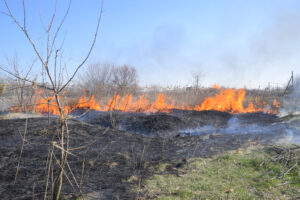 In Minnesota, spring conditions significantly increase the risk of brush fires. As snow melts, it exposes dry grasses, leaves, and debris that have not yet greened up. Combined with low humidity, warming temperatures, and frequent winds, these conditions create an environment where fires can start easily and spread quickly.
For city staff — particularly those in public works, parks, utilities, and fire services — this seasonal transition requires heightened awareness and deliberate operational adjustments.
Unlike summer fires, spring brush fires often move rapidly through the dried vegetation on roadside ditches. Grasses and brush ignite with minimal heat and can carry fire across large distances in a short time, especially on windy days. Accumulations of leaves, branches, and other organic materials in ditches, parks, and around infrastructure can act as fuel.
Proactive cleanup efforts can help reduce how quickly a fire spreads if one starts. Coordination across departments can ensure these efforts are prioritized where they will have the greatest impact.
Stay Aware of Daily Conditions
Situational awareness is the first line of defense. Crews working outdoors should monitor daily fire weather conditions, including wind speeds and any local or state-issued burning restrictions. When conditions are elevated, consider postponing non-essential activities that involve sparks, heat, or open flames. This includes welding, grinding, or controlled burns.
If work must proceed, take extra precautions. Keep fire extinguishers readily available and assign a fire watch to reduce risk.
Manage Equipment-Related Risks
Equipment can also ignite unwanted fires. Mowers, chainsaws, and vehicles operating in dry grass can generate heat or sparks. Ensuring equipment is well-maintained, free of excessive debris buildup, and equipped with spark arrestors where applicable can help prevent ignition.
Simple steps such as parking vehicles away from dry grass and allowing hot engines to cool before staging in vegetated areas can go a long way in preventing fires.
Encourage Early Reporting and Communication
Field staff should report smoke, unattended burns, or hazardous conditions immediately. Early detection enables a faster response and can prevent a small fire from becoming a larger incident.
Supervisors can reinforce expectations through brief toolbox talks or seasonal reminders that emphasize current conditions and safe work practices.
For current fire danger levels and burning restrictions, visit the Minnesota Department of Natural Resources website.