


 or
or  lines to the right of the URL bar at the top of your browser
The Hidden Dangers of Cold Stress
Guest post by Julie Jelen, Senior LMCIT loss control consultant
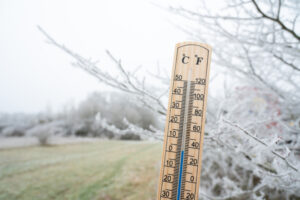 When temperatures drop, municipal workers are often the first ones out and the last ones back indoors. From snow removal and street repair to water main maintenance and emergency response, winter conditions take a toll. Prolonged exposure to winter weather can take a serious toll, making it critical for employers and employees to recognize the signs of cold stress and take steps to prevent it.
What Are Cold Stress Warning Signs?
Cold stress occurs when the body can’t maintain its normal temperature, increasing the risk of cold-related illnesses or injuries. Key types include:
- Hypothermia – body temperature drops below 95°F
- Watch for shivering, confusion, slurred speech, poor coordination
- Frostbite – freezing of skin and tissue
- Watch for numbness, tingling, pale or waxy-looking skin
- Trench foot – prolonged exposure to cold, wet conditions
- Watch for redness, swelling, numbness, or blisters after wet exposure
- Chilblain – painful inflammation of small blood vessels in the skin
- Watch for redness, itching, blistering, inflammation
Even temperatures above freezing can cause cold stress when wind, rain, or snow are factors. Encourage workers to monitor themselves and each other. Supervisors should incorporate regular wellness checks into their safety routines.
Prevention Strategies for Workers
Practical steps for reducing cold-weather risks include:
- Dressing properly: moisture-wicking base layer, insulating middle layer, and waterproof outer layer
- Covering extremities with insulated gloves, hats, and waterproof boots
- Staying dry and changing wet clothing quickly; keeping extra clothing on hand
- Taking scheduled warm-up breaks in heated vehicles or indoor spaces
- Staying hydrated and fueled with warm, non-alcoholic fluids
- Using the buddy system to monitor your own physical condition and that of coworkers
- Avoiding contact with cold metal or wet surfaces with bare skin
- Checking equipment frequently, as cold temperatures affect machinery, hydraulics, and batteries
Employer Responsibilities
Employers play a critical role in prevention. Key actions include:
- Providing proper personal protective equipment (PPE) suitable for each task, engineering controls, and documented training to recognize cold-stress symptoms
- Developing a Cold Weather Safety Policy with temperature thresholds for breaks
- Training crews to recognize symptoms and respond quickly
- Ensuring vehicles and job sites have heated shelters or access to warming areas
The National Institute for Occupational Safety and Health (NIOSH) recommends implementing a comprehensive cold-related illness and injury prevention program, including engineering controls, worker training, and appropriate cold-weather gear.
Municipal employees are the backbone of community safety during the harshest winter months. By taking cold stress seriously and fostering a culture of prevention, we can aid workers in returning home safely after serving their community.
Additional resources:
NIOSH Fast Facts: Protecting Yourself from Cold Stress
CoastalFlix Safety Streaming Video – Pause for Performance: Cold Weather Safety – reach out to your LMCIT loss control consultant for this free video