

 or
or  lines to the right of the URL bar at the top of your browser
Bits & Briefs
National State of the Cities Report
America’s cities remain strong in 2025, even as local leaders face rising costs, workforce shortages, and decreased federal support. The National League of Cities’ 2025 State of the Cities report highlights mayors’ top priorities this year: economic development, infrastructure, budgeting, housing, and public health and safety.
Mayors are focusing on attracting businesses, investing in workforce development, and revitalizing downtowns. At the same time, they’re grappling with aging infrastructure, housing shortages, and the end of major federal funding programs like ARPA. Mental health, substance use, and cybersecurity also remain top concerns.
Despite these challenges, the report shows local leaders are innovating and adapting — finding creative solutions and calling for stronger federal-local partnerships to sustain momentum.
Download the full report at nlc.org/resource/state-of-the-cities-2025.
Updated Budget Guide Now Available
As cities begin finalizing their 2026 budgets, it’s a good time to double-check for any new laws or updates that could affect your city’s levy or financial planning.
The League of Minnesota Cities’ Budget Guide for Cities is your go-to resource for understanding recent changes in state and federal law that impact budgeting decisions. The guide includes key figures for minimum wage, cost-of-living adjustments, local government aid (LGA), PERA, payroll withholding, and more.
Updated annually after the legislative session, the guide helps city leaders stay informed and plan with confidence. View the guide at lmc.org/budgetguide.
New Dock and Kayak Launch Improves Lake Access at Detroit Lakes City Beach
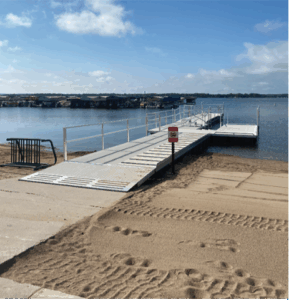 A new floating dock and accessible kayak launch was installed this summer at Detroit Lakes City Beach, thanks to the efforts of the Lakeland Disabled American Veterans (DAV) chapter.
As reported by the Detroit Lakes Tribune, the City Council approved the $101,933 purchase in April, with funding entirely covered by the local DAV chapter. The group raised the money through donations and fundraising events, with the city handling the purchase on its behalf.
The dock was placed near Lakeside Tavern and Brewery, chosen for its proximity to existing handicap parking. Additional accessible parking spots are expected to be added during the upcoming West Lake Drive street project.
DAV Commander Jason Bristlin said the project aimed to make lake access easier for anyone with mobility challenges.
City Council Member Matt Boeke praised the effort, saying it benefits not just Detroit Lakes residents but the broader community.
The DAV has also funded improvements to the fishing pier and is exploring a future project to add a handicap-accessible swimming area.
Wadena Marks Tornado Anniversary With Citywide Safety Upgrades
Fifteen years after an EF4 tornado devastated parts of Wadena, the city has completed a major upgrade to its emergency warning system. According to the Wadena Pioneer Journal, five new outdoor warning sirens have been installed across the city, dramatically improving coverage for residents. Previously, Wadena relied on just two sirens.
The effort was led by Police Chief and Emergency Manager Naomi Plautz and funded by a $50,000 grant from Sourcewell, along with contributions from local businesses and community groups. City utilities staff handled installation.
The sirens are part of a larger system that includes CodeRED, a public notification tool that alerts residents via phone, text, or email during emergencies. The upgrades are especially important, as parts of the area fall into a National Weather Service radar dead zone.
In addition to the sirens, Wadena has a Federal Emergency Management Agency (FEMA) tornado shelter at the Wadena-Deer Creek Senior High School. Regular monthly siren tests are planned to keep residents familiar with the system. The improvements reflect the city’s ongoing commitment to safety and preparedness, 15 years after one of the most destructive days in Minnesota’s weather history.
Elk River Tries Sunfish To Tackle Fly Problem
The City of Elk River has found a creative, eco-friendly way to deal with a persistent midge fly problem at its wastewater treatment plant — by adding sunfish. According to KARE 11, the city placed around 300 sunfish in one of its three water clarifiers to feed on fly larvae, which had become a major nuisance for staff.
The idea came after staff noticed goldfish in their lab eagerly eating midge larvae. Wanting to stay chemical-free and use a native species, they worked with the Minnesota Pollution Control Agency to test the use of sunfish, which are native to the Mississippi River.
The fish have only been in place for a short time, but the team already sees a difference and plans to monitor results over the coming months to measure effectiveness. If successful, the sunfish solution could offer a sustainable way to reduce pests during peak summer months.