
 or
or  lines to the right of the URL bar at the top of your browser
How Plymouth and Chaska Are Training the Next Generation of Public Works Professionals
Cities across Minnesota are facing a familiar challenge: how to attract and retain skilled workers in public works roles amid increasing retirements and tight labor market conditions. In response, the cities of Plymouth and Chaska have launched apprenticeship programs to not only train new employees but also redefine how their cities invest in future talent. Their approaches offer a replicable blueprint for other public works departments ready to grow their workforce from the ground up.
Plymouth: A Hands-On, Multi-Division Maintenance Apprenticeship

When Plymouth launched its Maintenance Apprenticeship Program in 2024, the goal was to create entry points into public works for people without previous experience. The program spans utilities, streets, and parks and forestry, offering apprentices exposure to all major areas before they specialize or seek full-time roles.
“Our apprenticeship program is designed to bring in individuals without prior public works experience and give them an opportunity to explore all areas,” said Abbie Browen, Plymouth’s public works operations manager. “We are trying to expose them before they commit to a full-time position.”
Key elements of Plymouth’s program include:
- Rotational structure across three divisions based on seasonal operations and major projects
- Two-year limited duration with full benefits
- On-the-job CDL training, including mentorship from certified inspectors and mechanics (Plymouth is able to do all of their CDL training in house thanks to having federally-certified trainers on staff)
- A simple entry requirement (high school degree or equivalent and a driver’s license) to attract nontraditional candidates
When the first position was posted in fall 2024, Plymouth received over 90 applications. That strong interest prompted the city to plan two hiring rounds per year moving forward, creating a rolling short list of candidates. The city has already hired four apprentices, one of whom moved into a full-time role in the Parks Division.
Browen emphasized the importance of union collaboration, flexible scheduling, and clear communication between divisions to make the program successful. She also stressed that even if apprentices leave for jobs elsewhere, the investment is worth it.
“It can be challenging for others to understand the value of developing employees who may eventually move on,” Browen said. “But I believe that if a better opportunity arises for someone, we should support their growth. Even if we become a training ground for other communities, I see that as a positive reflection of our commitment to workforce development.”
The program is supported by detailed onboarding manuals, monthly check-ins, and a shared calendar that tracks apprentice placements. An additional layer of support comes from Plymouth’s Fleet and Facilities Manager Amy Hanson, who serves as a neutral advisor to help apprentices navigate different management styles and expectations.
“This program is still in its infancy,” Browen said. “But we’ve already had some great apprentices, and now even our frontline staff are saying, ‘We should hire this person next.’ That’s when you know it’s working.”
Chaska: Cultivating Water Industry Talent, One Apprentice at a Time

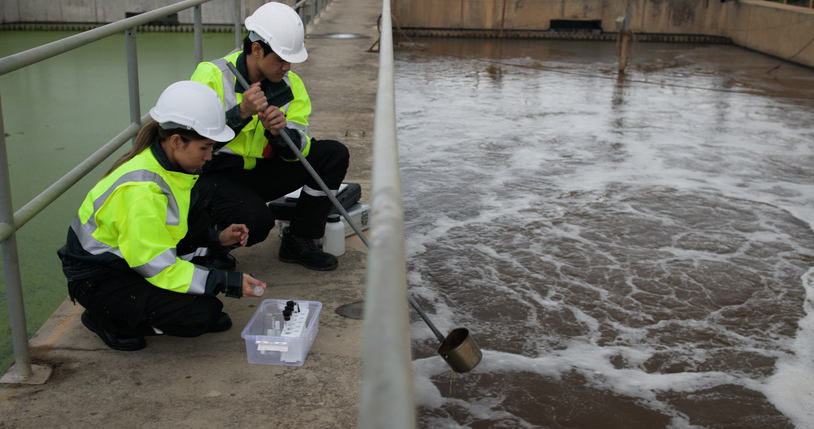
In Chaska, the Water Apprenticeship Program launched in 2022 with a focus on preparing new workers for careers in water and sewer services.
“Most people turn their faucet on and don’t have any idea what it takes for that water to come out,” said Matt Haefner, Chaska’s water and sewer director. “I wanted to give people a foundation they could take to the next city or organization—something to build on.”
Chaska’s program offers:
- Six-month, full-benefit positions with potential for renewal
- A focus on water treatment operations and water main maintenance
- A supportive learning environment where seasoned crew members provide hands-on instruction
- Onboarding through shadowing the city’s water treatment plant operator to build foundational knowledge
Haefner believes the limited duration and non-permanent nature of the role makes the program a low-risk, high-reward opportunity for the city and apprentice alike.
“It gives you the ability to train employees and see how they do on the job without bringing on someone who may not have their heart in municipal government,” Haefner said. “If it doesn’t work out, it’s temporary. But if it does, you’ve created a great success story.”
Tips for Other Cities: Start Small, Think Big
Both programs share a common mission: develop talent, strengthen services, and create career paths in public works. For other Minnesota cities considering a similar approach, Browen and Haefner offered advice:
- Partner early with HR and unions to shape the right structure and job classification
- Use available templates and resources, like those from the American Water Works Association and Freshwater Society
- Be flexible and communicative—rotational schedules and apprentice needs will vary
- Keep the bar for entry accessible—focus on mindset, not prior experience
- See the bigger picture: “Whether they stay in your city or not, you’re growing the industry,” Browen said
By creating structured, supportive pathways into public works, Plymouth and Chaska are doing more than filling vacancies—they’re reshaping how cities think about recruitment, training, and preserving public works careers.